Systematic literature reviews, how to make a systematic literature review.

Ryan McCarroll
2 min read

How to Conduct a Systematic Literature Review?
An SLR (Systematic Literature Review) is probably one of the most significant aspects of conducting academic research. It is more than just reading the literature, it involves locating the appropriate literature, evaluating and synthesizing that literature in an orderly and consistent manner. Many students often feel daunted by hearing the phrase, "systematic review" as this seems very complicated. However, if you understand the steps involved in performing a systematic review, the process will be much easier to complete.

In this blog post, we will go through the step-by-step procedure to perform a systematic review of the literature. We will also demonstrate how tools like AnswerThis can assist in making the entire process quicker and easier.
What is a systematic literature review?
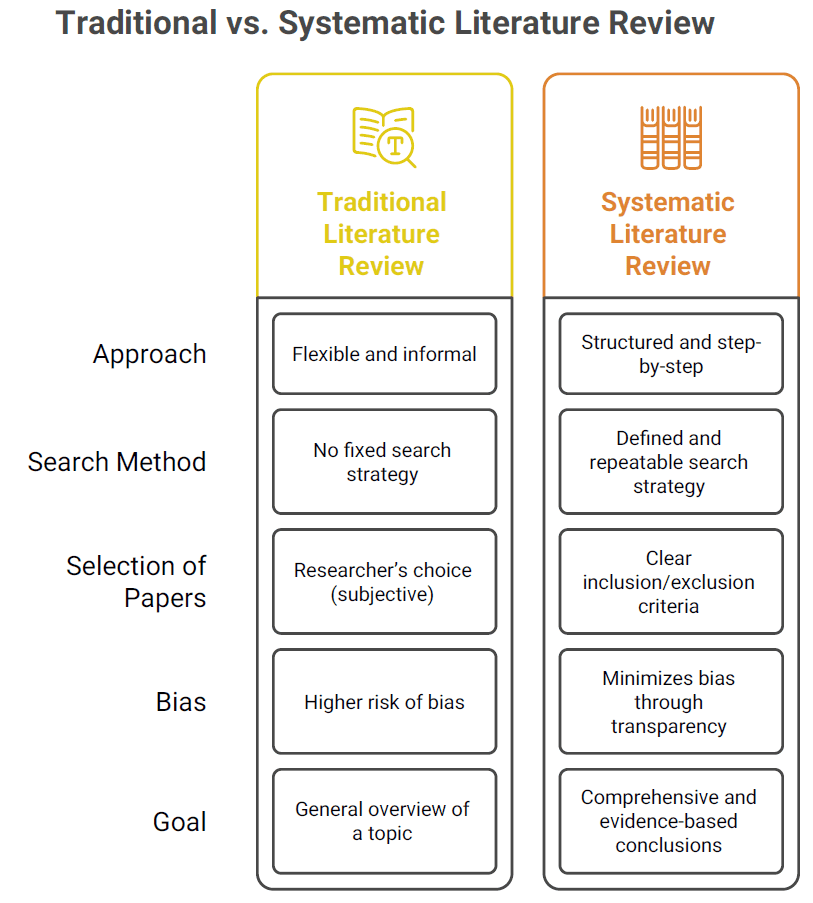
A systematic review of the literature is a method for reviewing scientific studies that is based on a systematic, repeatable process. Unlike traditional reviews, systematic reviews are not based on random reading; they follow a clearly defined strategy that will allow researchers to: (i) Identify the relevant studies (ii) Select the appropriate papers (iii) Analyse the papers in detail, and (iv) Combine the findings of the papers. The objective of this process is to reduce bias and produce valid and reliable conclusions. In the following, we present the steps for conducting a systematic literature review.
Step 1: Define your research question
To begin your systematic review, first identify your research questions, and allow them to drive the overall direction of your review process. Your research questions should meet the criteria of being specific, being focused, and being researchable. For example, rather than asking "How is AI impacting education?" Instead, ask "What effects do AI-based tutoring systems have on the performance of students within higher education?" Having a specific research question will help prevent issues with your research down the line.
AnswerThis can be used to help you refine your research question by demonstrating the existence of relevant studies and identifying the places where the literature has established patterns.
Step 2: Define inclusion and exclusion criteria
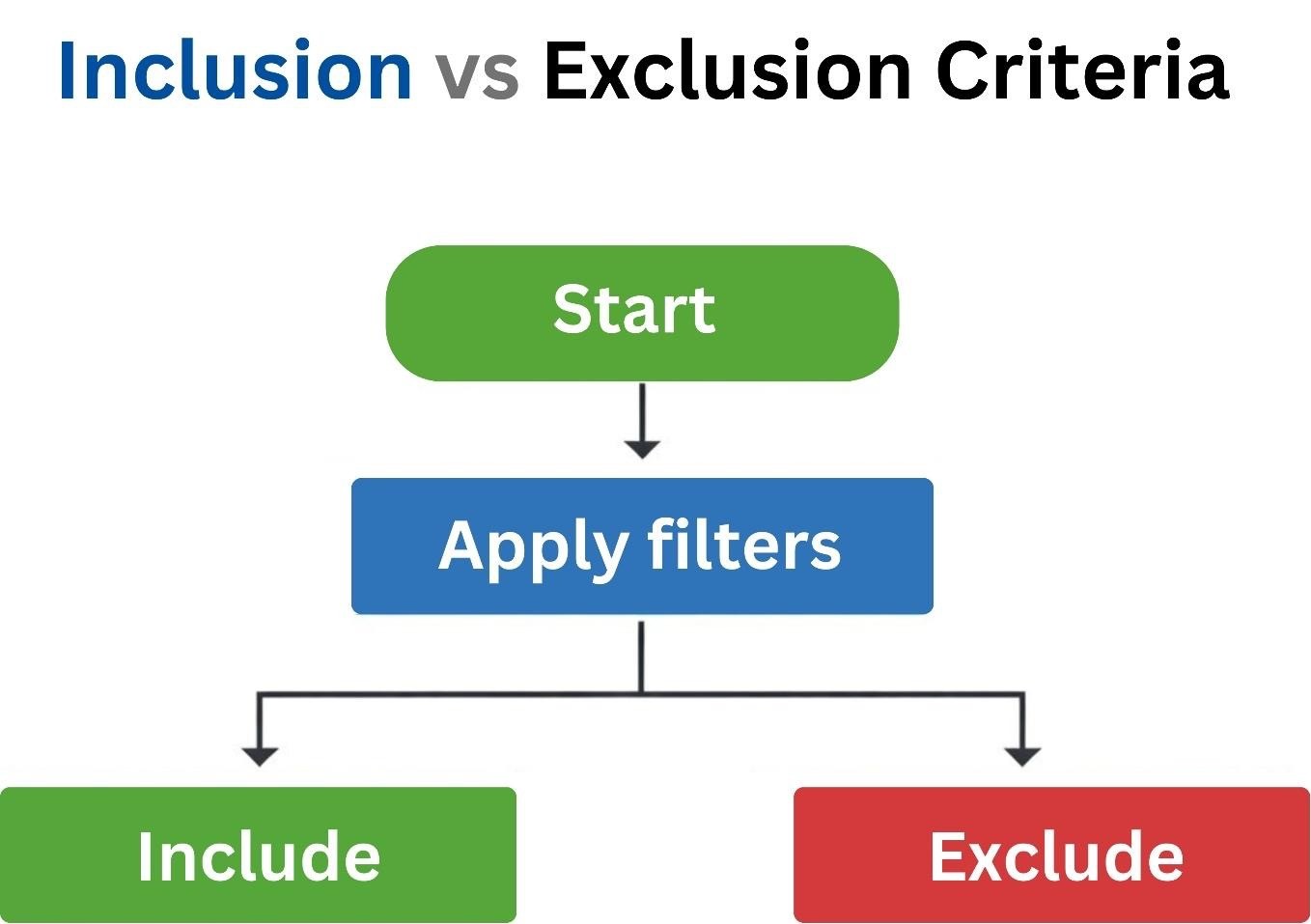
You need to define your inclusion/exclusion criteria before performing searches for papers. For example: (i) Include: peer-reviewed papers published in the last 5 years (ii) Exclude: Non-English language and opinion-based articles. Creating a defined criteria for how you will select papers for your review is paramount to create a consistent and unbiased review. If you don't create clear parameters for selecting papers, you could just end up with random selections.
Step 3: Search for relevant studies
Now it’s time to find the information! This is often the part where researchers tend to spend the most time. The first thing you will be doing is searching across databases such as Google Scholar, Scopus, and Web of Science. You will want to use keywords and synonyms as well as Boolean operators (AND, OR, NOT). For example: "AI Tutoring Systems" AND "Student Performance". Unfortunately, manually searching all of the databases for the same paper can take a long time and be very redundant, making it very effective for AnswerThis to take away the time and effort of manually searching through multiple databases by using AnswerThis. The way it works is: (i) enter the research question (ii) instantly receive relevant papers (iii) explore the paper in a structured manner. This could lead you to save many hours or in some cases even days of work.
Step 4: Screen the studies
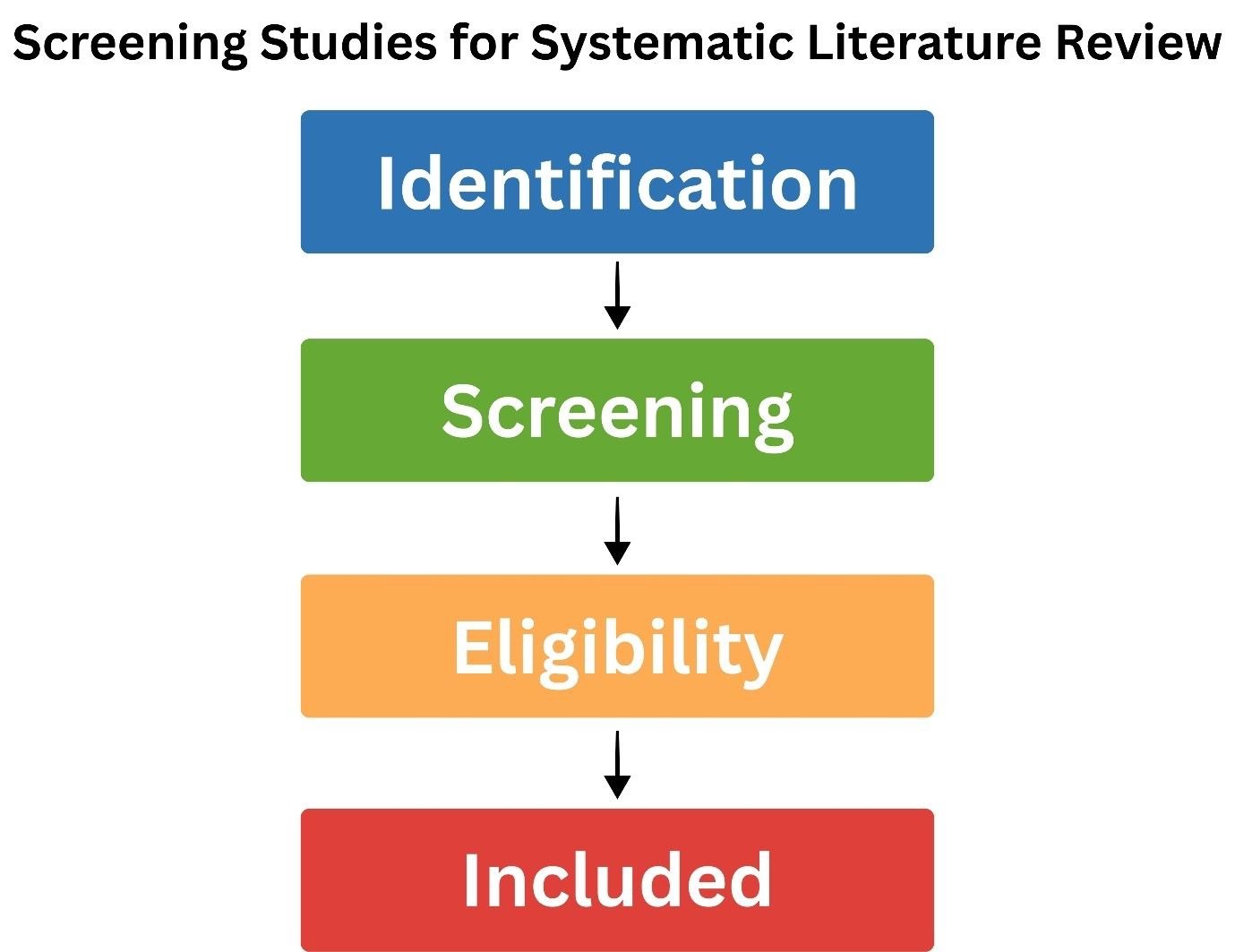
Once you've gathered your sources, you'll now take those sources to filter them once again. Typically, this process will be completed in two steps: (i) Screening of Titles and Abstracts (ii) Screening of Full Text. Once you get to this stage, you should consider dropping any papers that are irrelevant such as papers that don't fit your topic, papers that have evidence of methodological weakness, and duplicates. Most systematic reviews will adhere to some type of framework such as PRISMA while documenting this process.
Step 5: Extract data from the selected papers
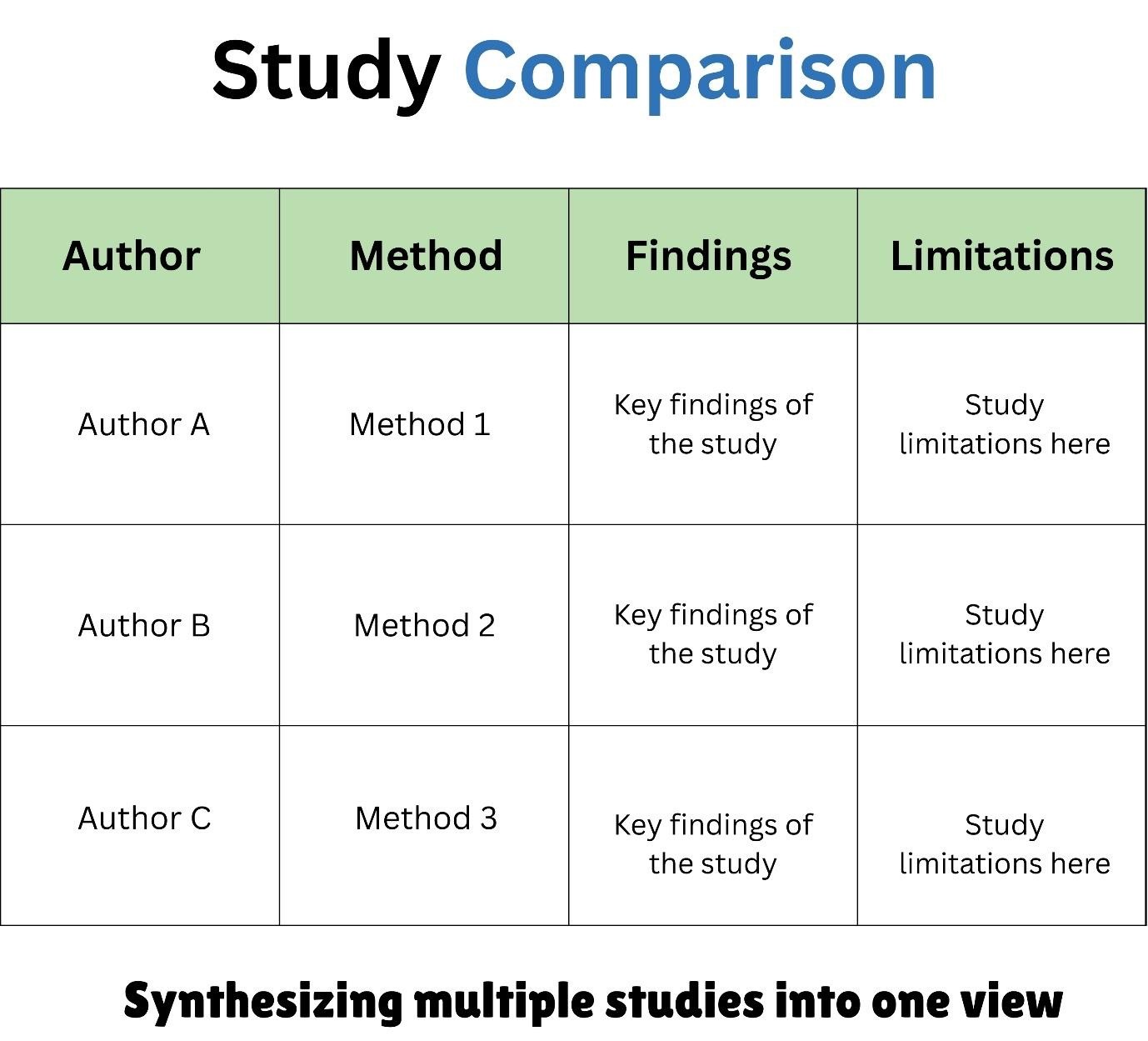
You've got your final collection of papers now you need to distil the main pieces of information from them. It will probably include the following pieces: author and date of publication, research methodology, sample size, and other important findings. Researchers usually create the tables of information manually, in excel and this can take a lot of time. With AnswerThis you can automate a lot of the processes involved in this task. It can extract key insights from the papers, organise your findings in a structured way, and make it much easier to compare studies. Therefore, this stage will now be completed much quicker and more accurately.
Step 6: Analyze and synthesize the findings
The last step is the most essential because it involves changing information into insight. To do so you must (i) recognize trends across studies (ii) cross-examine results (iii) notice parallels and distinctions (iv) recognize holes in research. This will determine how much value you put into your synthesis of work. Instead of only summarizing papers ineffectively in an individual fashion, you should relate them in a cohesive summation. The answer is especially true here, since it allows you to (i) compare several different papers (ii) indicate trends (iii) create structured summaries with supporting citations. So synthesizing becomes much simpler.
Step 7: Write your literature review
It’s time for you to begin writing. A systematic literature review must (i) be well-structured (ii) each claim will have a citation (iii) has patterns and gaps clearly documented. Do not write paper by paper, write as a group based on themes, methods, and findings. This makes your review look much more professional and easier to read. With AnswerThis, you can produce drafts that are well-structured with complete citations, meaning you are able to get to the writing process from analysis faster and get them personalised for yourself quicker.
Step 8: Report your methodology clearly
A systematic review should be transparent as a systematic review is a systematic process made up of the following components: (i) explain how you searched for papers (ii) describe which criteria you used to select papers (iii) specify how many studies you ultimately included. Being transparent enables other researchers to accurately replicate your work. If you fail to establish transparency in your systematic review, the quality and integrity of your work will be diminished.

Common mistakes to avoid
Many researchers commit error in these areas: (i) their research question is very vague (ii) they do not have clearly defined criteria for selecting papers (iii) they summarize articles rather than synthesizing them (iv) important studies are frequently overlooked. The single largest mistake a researcher makes is treating a systematic review in the same way that you would conduct a traditional literature review. When creating a systematic review, create it in a form that has structure, consistency, and transparency throughout your review process.
Final thoughts
While it may seem overwhelming to conduct a systematic literature review, sticking to a planned process makes the task much more manageable. The three main components are as follows: (i) be organized (ii) follow each step exactly (iii) focus on synthesising rather than just summarising.
Some new tools like AnswerThis are changing the way researchers conduct systematic reviews. They decrease manual labour, speed up the analysis process, and allow you to concentrate on the insights and contributions that are truly important. By using the right tools and guidance, you will conduct the literature review faster, smarter, and with greater confidence.


